New order by Colorado Gov. Jared Polis aims to protect bees and other pollinators from climate change, habitat loss
Published in News & Features
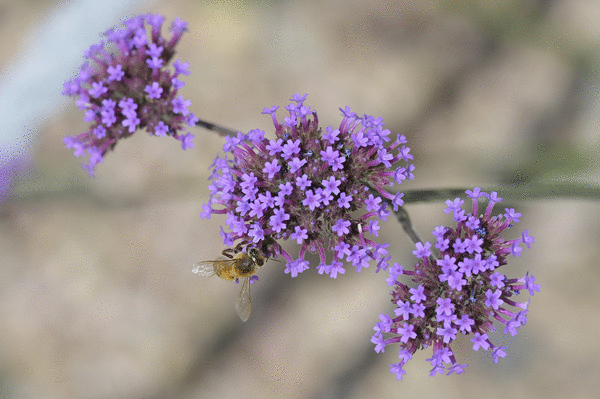
DENVER — Colorado Gov. Jared Polis on Wednesday signed an executive order aimed at protecting bees and other critical pollinators as they face compounding threats from climate change, habitat loss and pesticides.
“Pollinators touch everything we love about Colorado,” Polis said shortly before signing the order during a news conference at the Denver Zoo Conservation Alliance. “They’re really the workhorses of our healthy ecosystems, whether it’s growing our world-famous and delicious food, feeding wildlife (or) sustaining landscapes.”
His order directs state agencies that manage land to find ways to protect and expand pollinator habitats. That includes everything from highway rights-of-way to Department of Corrections facilities.
The order also requires the Department of Regulatory Agencies and other state entities to incorporate pollinator-conservation practices into their licensing standards for pesticide use, to create pesticide-free buffer zones on state land and to consider pollinator health in state grants when applicable.
Polis’ action comes as pollinators in the state face heightened risks.
Colorado has followed the global trend of declining insect populations, including in protected high-elevation areas — like a meadow outside Crested Butte, which had recorded a 47% decline in insect biomass since 1986, according to a 2024 state report on pollinators commissioned by the state legislature.
Three species of Colorado butterflies are federally protected under the Endangered Species Act. More than a fifth of Colorado’s 24 bumble bee species are either under review by the U.S. Fish and Wildlife Service for listing as endangered species, or they have been petitioned for review.
Those numbers are likely a “huge underestimate of the true scope of imperiled pollinator species within the state,” the report says, since for many insect groups, there’s been little study of them, they’re rare, they feed only a handful of plants or flowers, or they have extremely restricted distributions within the state.
Several factors are behind pollinator declines. The 2024 state study lists habitat loss due to agriculture and development as the biggest threat. Other major drivers include climate change, pesticide use, the growth of non-native species and certain land management practices for grazing and forestry, though the study says some grazing and forestry practices can be “valuable conservation tools.”
“Replacing harmful human practices and adopting practices to promote pollinating insects — especially in agricultural and urban habitats — represents the biggest opportunity to foster healthy native pollinating insects,” the study says.
Polis said his executive order would also help local producers gain better tools for protecting pollinators, with technical assistance from state agencies and pollinator-friendly pest management resources.
Polis said pollinators, from bees to moths to bats, are responsible “for about one of every three bites of Colorado food that we eat.”
“Without them, we would lose Colorado Proud produce, from Palisade peaches to Pueblo chiles and alfalfa and feed crops,” Polis said. He added that “small decisions at home can also create what we call a butterfly effect across Colorado,” and he urged residents to plant native flowers and reduce unnecessary pesticide use.
“We truly all have a role to play,” he said.
_____
©2026 MediaNews Group, Inc. Visit at denverpost.com. Distributed by Tribune Content Agency, LLC.





Comments