Why ultra-Orthodox parties hold so much sway in Israeli politics
Published in News & Features
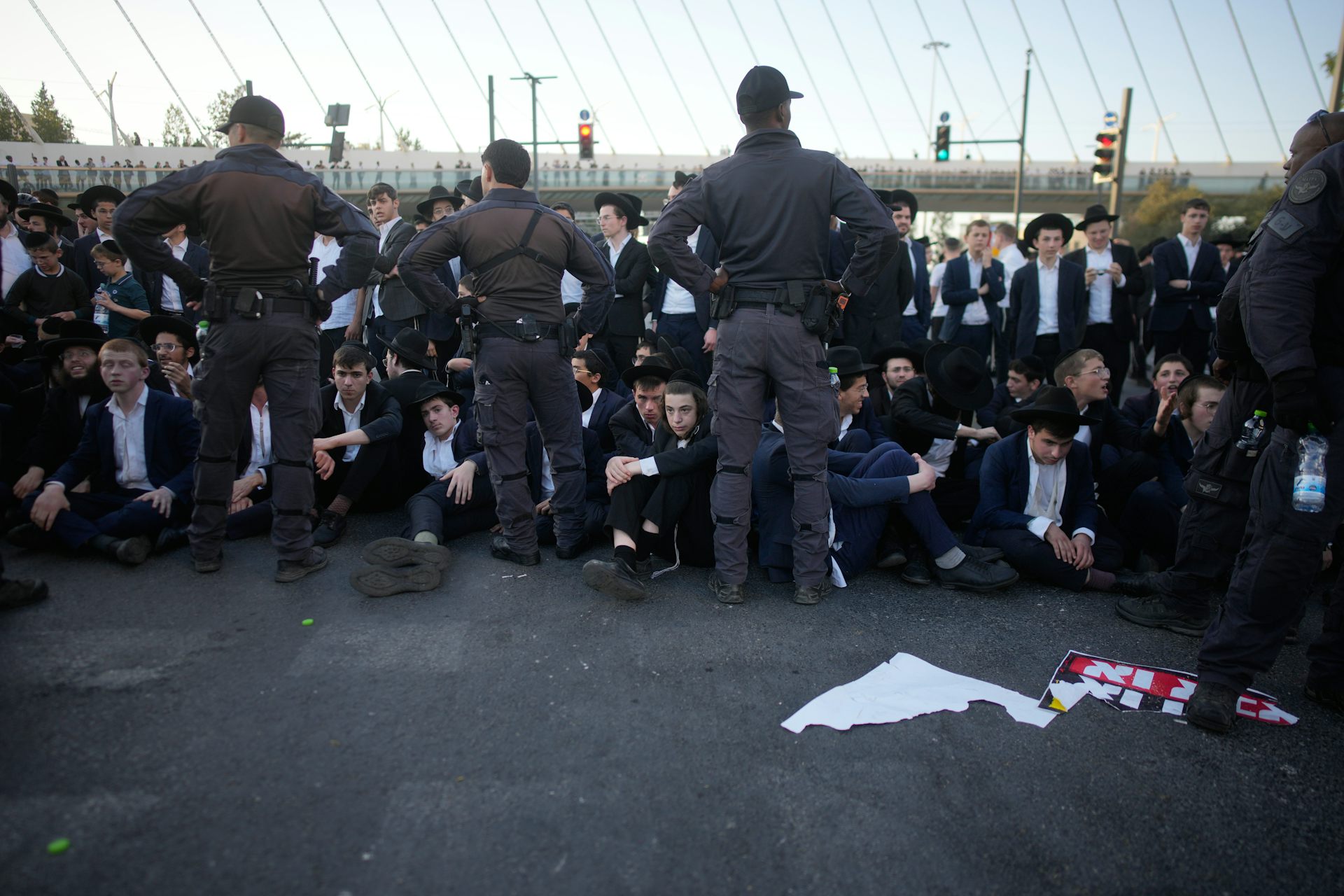
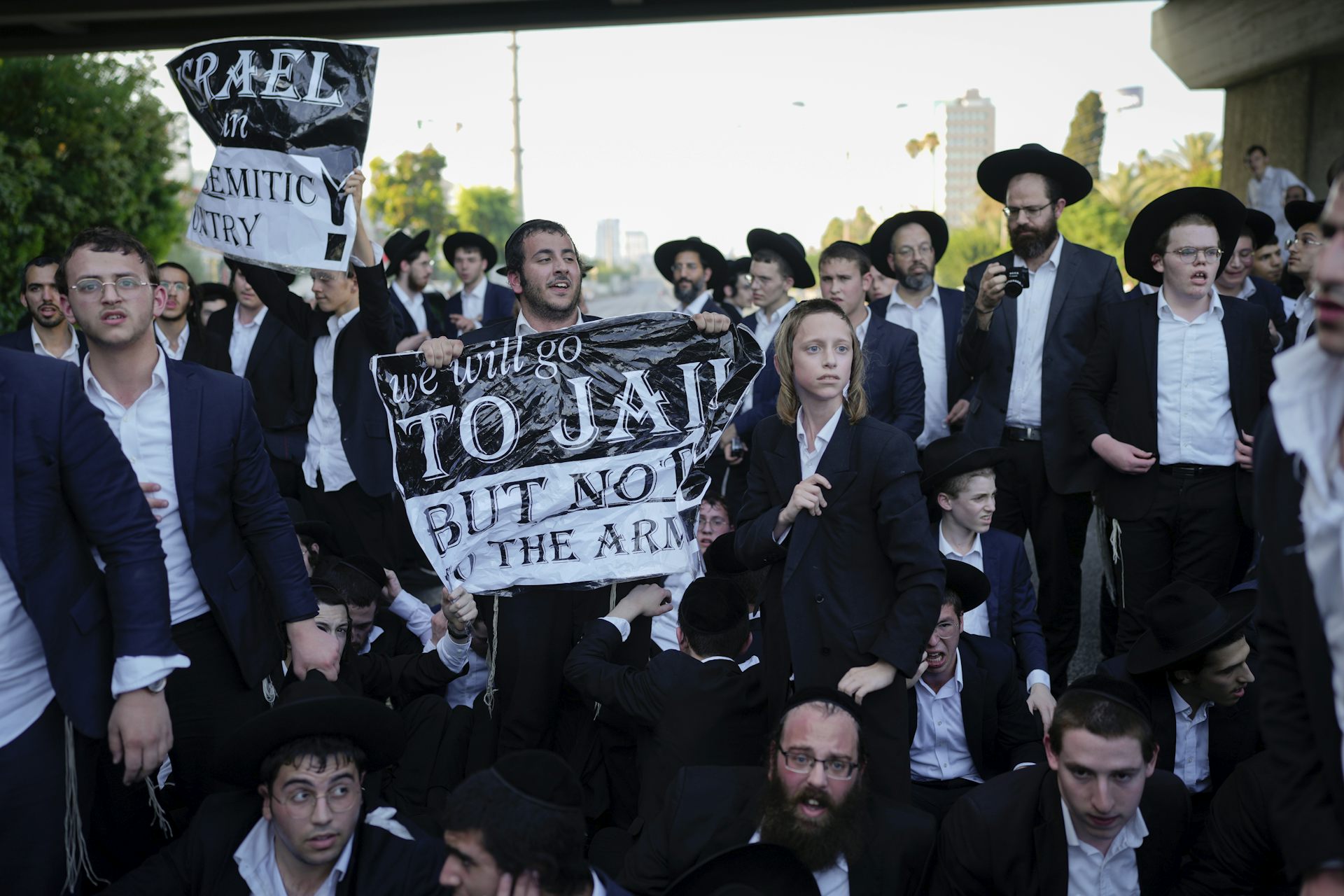
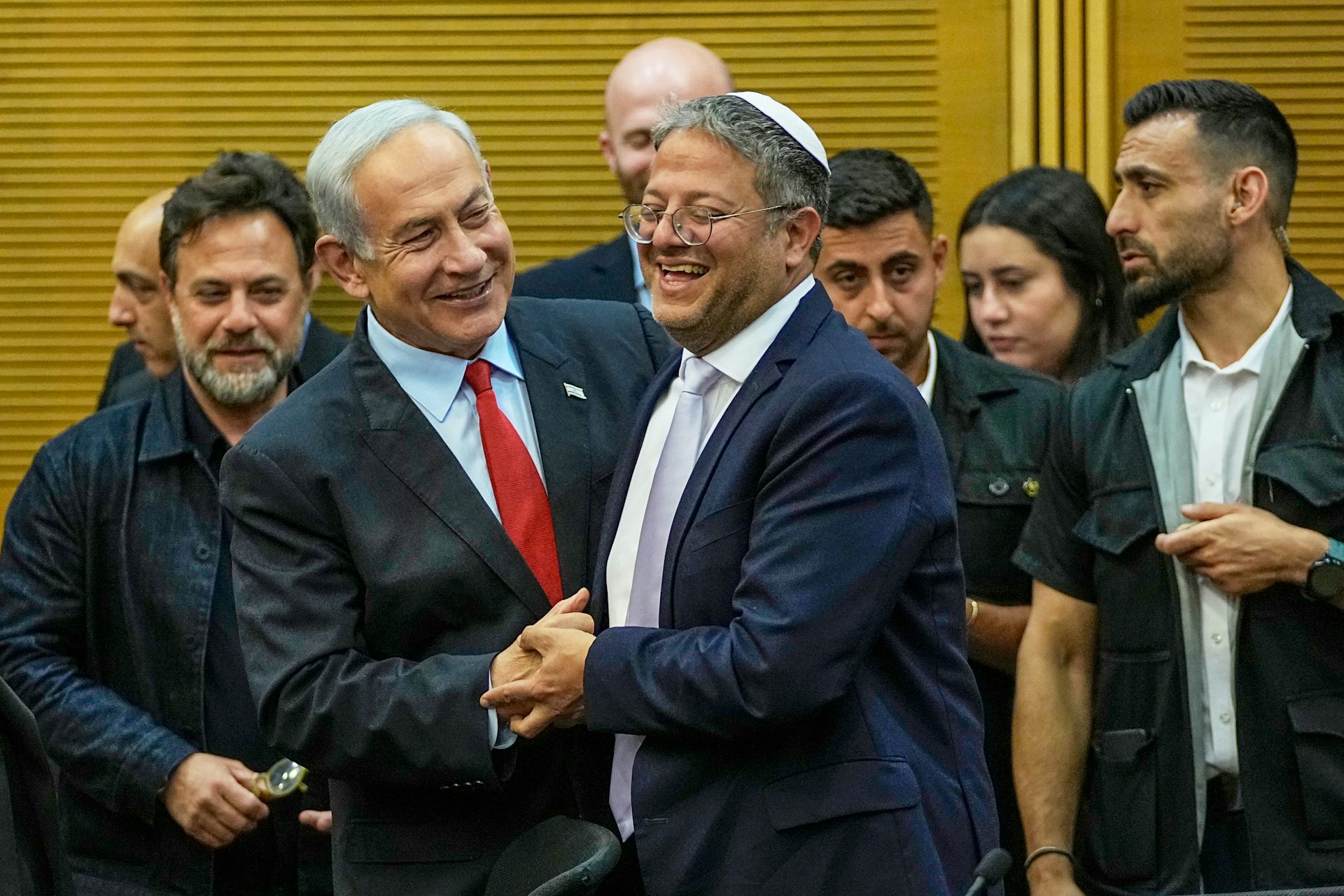




On Oct. 20, 2026, a week before Israel’s elections, dozens of men were detained on suspicion of evading the draft – arrests that Prime Minister Benjamin Netanyahu called “unacceptable.”
The young men attend ultra-Orthodox, or Haredi, religious schools, whose students were long exempt from the military service mandatory for most Israelis. A 2024 court ruling that Haredi men must be drafted alongside other Jewish youth intensified the conscription debate. Netanyahu’s government has failed to either legalize the draft exemption or enforce the court’s ruling, though he has said Haredim who are not studying should enlist.
With Israel’s military fighting in several conflicts, those exemptions have become increasingly unpopular: The vast majority of Jewish voters want Haredi communities to share the burden. Haredi political parties, however, are key potential coalition members as Netanyahu attempts to secure his political future. Although a relatively small percentage of the population, the Haredim hold disproportionate sway in Israel’s parliamentary system.
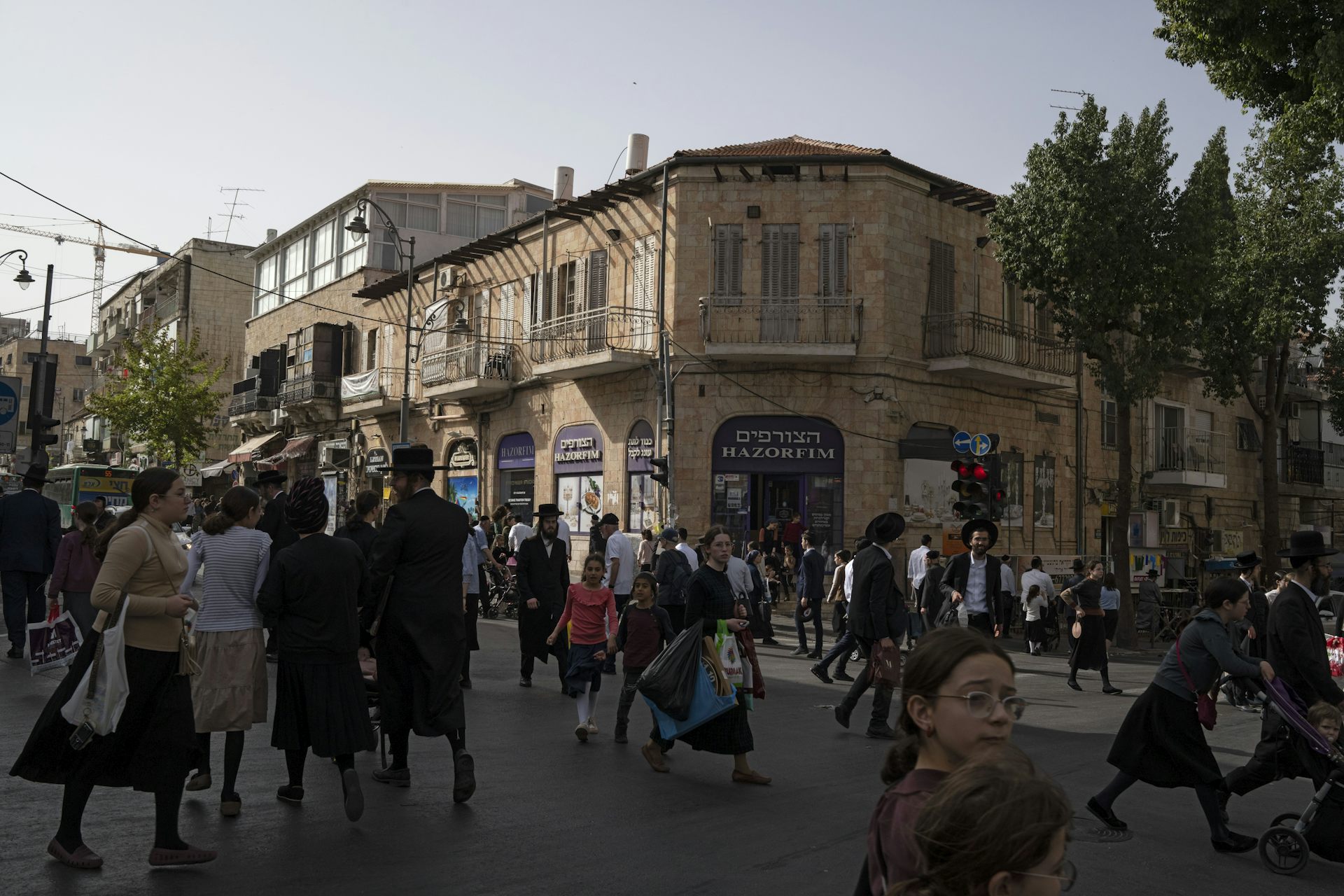
Haredi Jews strictly observe Jewish religious law and often disapprove of liberal interpretations. They typically live in Haredi-majority neighborhoods where large families are the norm – six children, on average – and about half of the men devote themselves to full-time religious study. The poverty rate is 33%, more than double the percentage for non-Haredi Jews.
The Israeli public is about 14% Haredi, but the community is growing quickly because of its high birth rate. Projections by the Central Bureau of Statistics estimate that almost a quarter of Israelis will be Haredi by 2050.
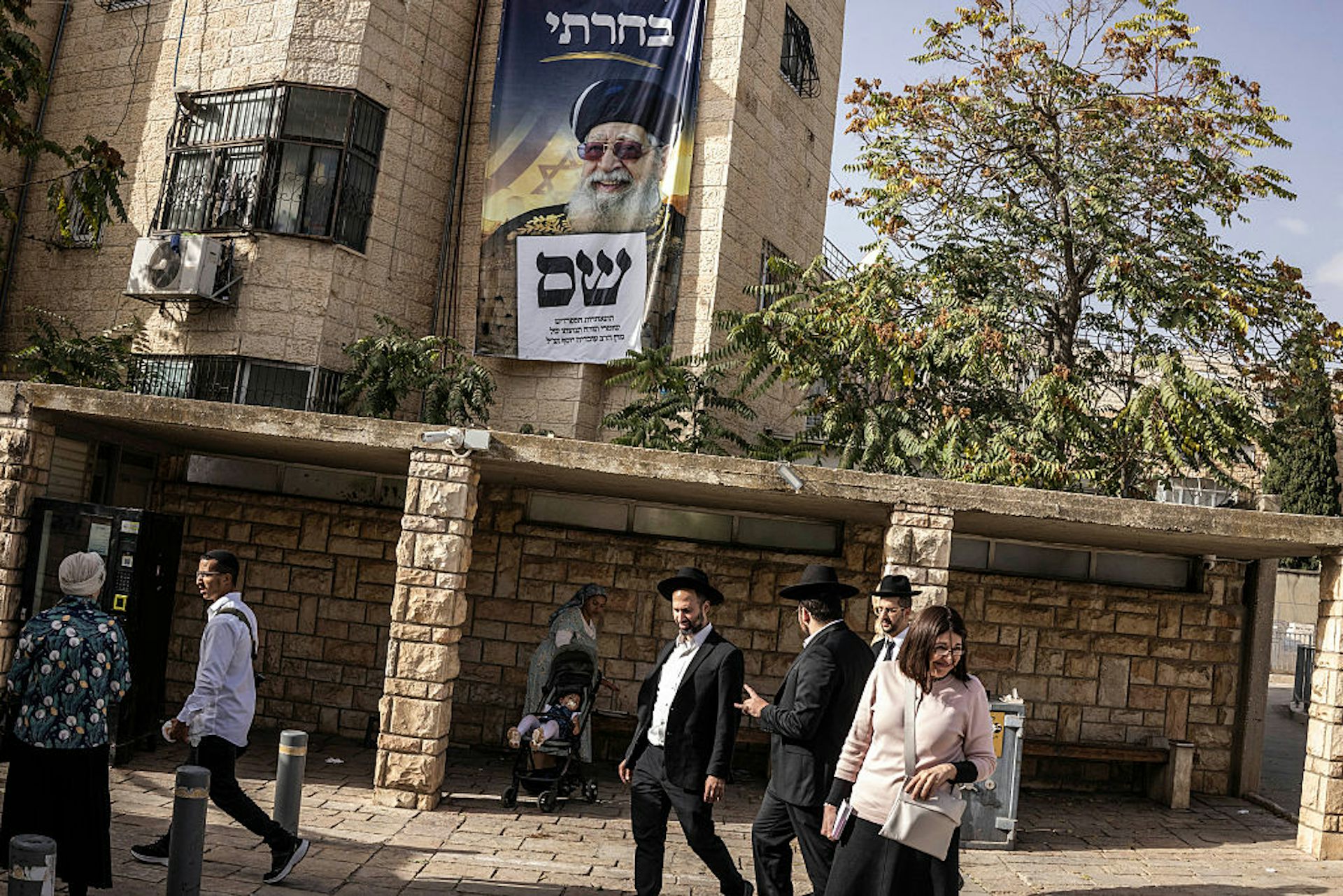
Haredi communities are diverse and represented by two main political parties. Haredim who are Ashkenazi – Jews whose ancestors came from northern and eastern Europe – are linked to United Torah Judaism, or UTJ. Those who are Sephardi or Mizrachi, meaning their ancestors came from the Iberian Peninsula and the Middle East, are linked to Shas.
A third Haredi party, Haredi Public, was formed in July 2026. The party says it will represent Haredim who feel underserved by Shas and UTJ, emphasizing employment and poverty, housing development and the education system. Unlike the other two Haredi parties, it has included women on its candidate list.
Elections for the Israeli parliament, the Knesset, use a proportional representation system. Any party that receives more than 3.25% of votes receives seats based on the fraction of votes it received. Each party allocates its seats to members based on a list of candidates published before elections.
Having multiple parties with similar target demographics risks dividing the vote, leaving that group with fewer representatives in the Knesset. Shas and UTJ have agreed to share their surplus votes in the 2026 election to maximize their overall seat share.
Because of the low electoral threshold, many parties are able to win seats. No Israeli party has ever attained the 50% share needed to control parliament by itself. As in other countries with similar systems, it is very common for parties to form coalitions and govern as a team.
Likud, one of the major conservative parties, has led most governing coalitions for the past two decades, with party leader Benjamin Netanyahu as prime minister. Haredi parties are seen as strong conservative allies, and they have been key coalition members for Likud administrations. Today, as Netanyahu faces challenges from other right-wing parties over his handling of Oct. 7, 2023, and several wars, Likud may need them even more.
The fact that Likud has needed Haredi parties to form coalitions has given them negotiating power. For many years, one of their priorities has been draft exemptions for religious education.
Military service is mandatory for most groups in Israel, although Muslim and Christian Arab citizens are generally exempted. Jewish Israelis see conscription as a unifying experience and a costly demonstration of commitment to the state. Starting at age 18, most women serve two years and most men serve almost three years. Former soldiers can be called up as reservists into their 40s, depending on their training.
For decades, Haredi men received de facto exemptions. It was, effectively, one of several government arrangements that subsidize Haredi communities. Religious schools for teen boys and married men receive government payments for each student. Given the communities’ low employment rates, large families and high poverty rates, many families rely on public support.
In 2024, Israel’s Supreme Court ruled that a blanket exemption from military service for Haredim was not legal. Netanyahu’s government struggled to enact a compromise between those who favored drafting Haredim and the Haredi parties; the failure to find a lasting legal way to exempt Haredi men led Shas and UTJ to leave the Likud-led coalition in 2025.
Nonetheless, this ruling has not led to mass conscription.
Haredi groups have held public protests, and many have ignored draft notices. While tens of thousands of men are draft eligible but not serving, and most of them are Haredi, fewer than 500 evaders have been arrested in 2026. Netanyahu argues against arrests, saying they discourage men from enlisting without coercion.
In July 2026, at the urging of Haredi parties, the government passed a law to temporarily prevent arresting draft evaders. Some members of Netanyahu’s governing coalition opposed the law, however, and right-wing opposition parties filed petitions to challenge it in court.
Former Prime Minister Naftali Bennett – leader of the Together alliance, and seen as a key contender to oust Netanyahu – has threatened to cut subsidies to the Haredi community if they continue to defy the draft. Gadi Eisenkot, leader of the centrist Yashar party, is another top contender to replace Netanyahu. He has proposed allowing 3% of Haredi men exemptions to study, while drafting the majority.
As the number of conflict zones increases – Gaza, southern Lebanon and Iran, as well as deployments in the West Bank – the unequal burden of military participation is a growing source of resentment among many conscripted Israelis and their families. Seven in 10 Jewish Israelis favor drafting the Haredim.
Shas and UTJ, however, have declared they will not join a coalition unless it promises to codify the draft exemption into law.
When the Haredi parties exited Netanyahu’s coalition, Likud replaced them with nationalist parties that emphasize the state and Jewish supremacy. Particularly notable was the decision to include the Jewish Power party, an offshoot of an earlier group banned for racism; including Kahanist groups was long seen as a red line.
Haredi communities, on the other hand, tend to prioritize religious Jewishness over the state. Most Haredim do not consider themselves Zionist, and a small percentage are anti-Zionist. They argue that it was sacrilegious for people to create a state of Israel rather than waiting for God to return Jews to the land of Israel. Where nationalist politicians emphasize the secular state and military service, Haredim see their religious study as service to the Jewish community.
As Likud’s changing coalition shows, Netanyahu’s alliances are strategic rather than ideological. I believe his decision to side with the Haredim on the recent draft legislation suggests his coalition is open to revision after the October 2026 election.
As the Haredi community grows, its power in the electoral system will become less disproportionate. In a democratic framework, a large social group would deserve proportional representation and influence. As such, the tension between their electoral power, their demands for exemptions and subsidies, and the tolerance of non-Haredi Jews will persist as a political challenge.
This article is republished from The Conversation, a nonprofit, independent news organization bringing you facts and trustworthy analysis to help you make sense of our complex world. It was written by: Hannah Ridge, Chapman University; Institute for Humane Studies
Read more:
Pardoning of Israeli soldier evokes a long history of clemency for those who kill Palestinians
Jewish critics of Zionism have clashed with American Jewish leaders for decades
Israel’s army exemptions for the ultra‑Orthodox are part of a bigger challenge: The Jewish state is divided over the Jewish religion
Hannah Ridge does not work for, consult, own shares in or receive funding from any company or organization that would benefit from this article, and has disclosed no relevant affiliations beyond their academic appointment.







Comments