CNN adds Air Force One access to lawsuit over Trump White House ban
Published in News & Features
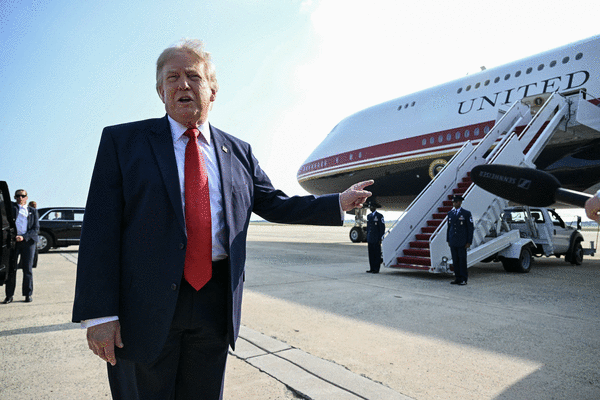
CNN, MS NOW and Politico have revised their lawsuit against the Trump administration over press access to the White House to include a request for a court order to allow their journalists into other areas, including the Oval Office and Air Force One.
The updated lawsuit was filed Wednesday, two weeks after U.S. District Judge Timothy J. Kelly ordered the administration to grant journalists from the outlets access to the White House while a lawsuit challenging President Donald Trump’s ban proceeds.
The news outlets said their reporters’ White House press credentials had been restored in compliance with Kelly’s order, but that the administration has taken steps to block journalists from other coverage areas in the public interest.
CNN journalists have been “repeatedly” barred from traveling aboard Air Force One as part of the transmission pool that covers the president and provides video footage to other outlets, according to the filing. CNN has been one of the five networks in the pool for 45 years, it said.
MS NOW and Politico also have been blocked from assignments for the secondary television pool and the print pool, respectively, according to the filing.
“These exclusions reflect an unstated policy to carry out the president’s directive to take his viewpoint-discriminatory and retaliatory ban ‘as far as you can’,” the outlets said in the filing. “Indeed, the President has been explicit that he intends to limit access to the Oval Office to news organizations that cover him favorably.”
A White House official said no person or journalist has a constitutional right to access the Oval Office, Air Force One or other sensitive and private facilities.
The dispute is an escalation in an ongoing struggle over press freedom under Trump, who frequently attacks mainstream media as “fake news.” The media outlets argue in their suit that the president’s attempt to ban them from the White House violates the First Amendment and their right to due process under the Fifth Amendment.
Trump announced the ban on Sept. 18 in a social media post, citing what he described as unfavorable coverage of his administration. However, the news outlets said they only received formal notice of his decision via letters sent four days later.
In the letters, the government accused the outlets of publishing false information about national security issues as well as publishing classified information.
In the judge’s order temporarily restoring White House press access, Kelly, a Trump appointee, said there is no evidence that the president relied on the stated national security concerns when he issued the ban.
Dozens of news organizations, including Bloomberg News, Dow Jones and Reuters, signed on to an amicus brief submitted to the court in support of the banned outlets.
The case is Cable News Network Inc. v. Trump, 26-cv-3287, U.S. District Court, District of Columbia.
_____
©2026 Bloomberg L.P. Visit bloomberg.com. Distributed by Tribune Content Agency, LLC.



Comments