Flood-damaged Nepal wants help from the global climate Loss and Damage Fund – but it’s waiting, along with 118 other countries
Published in Science & Technology News
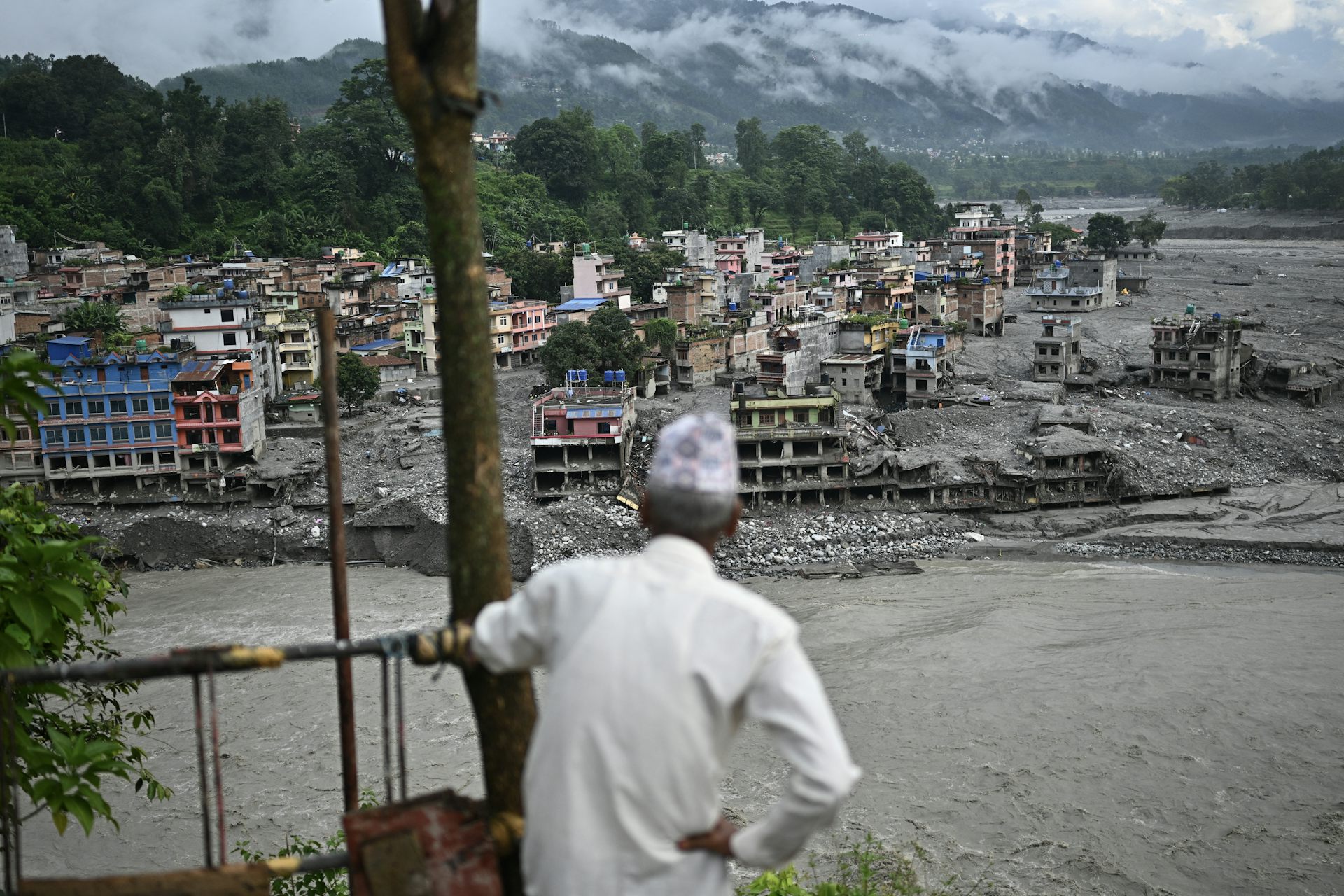
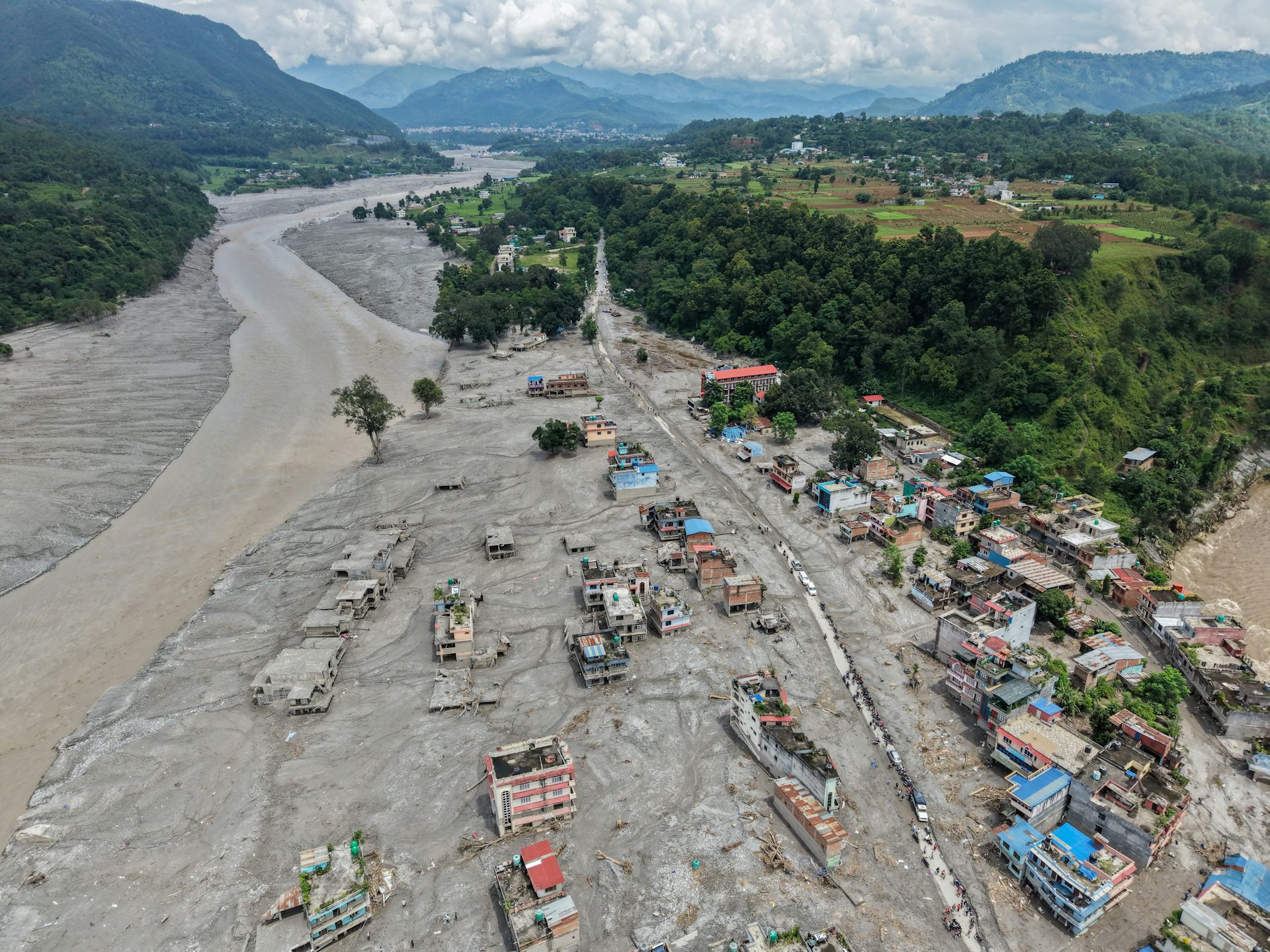
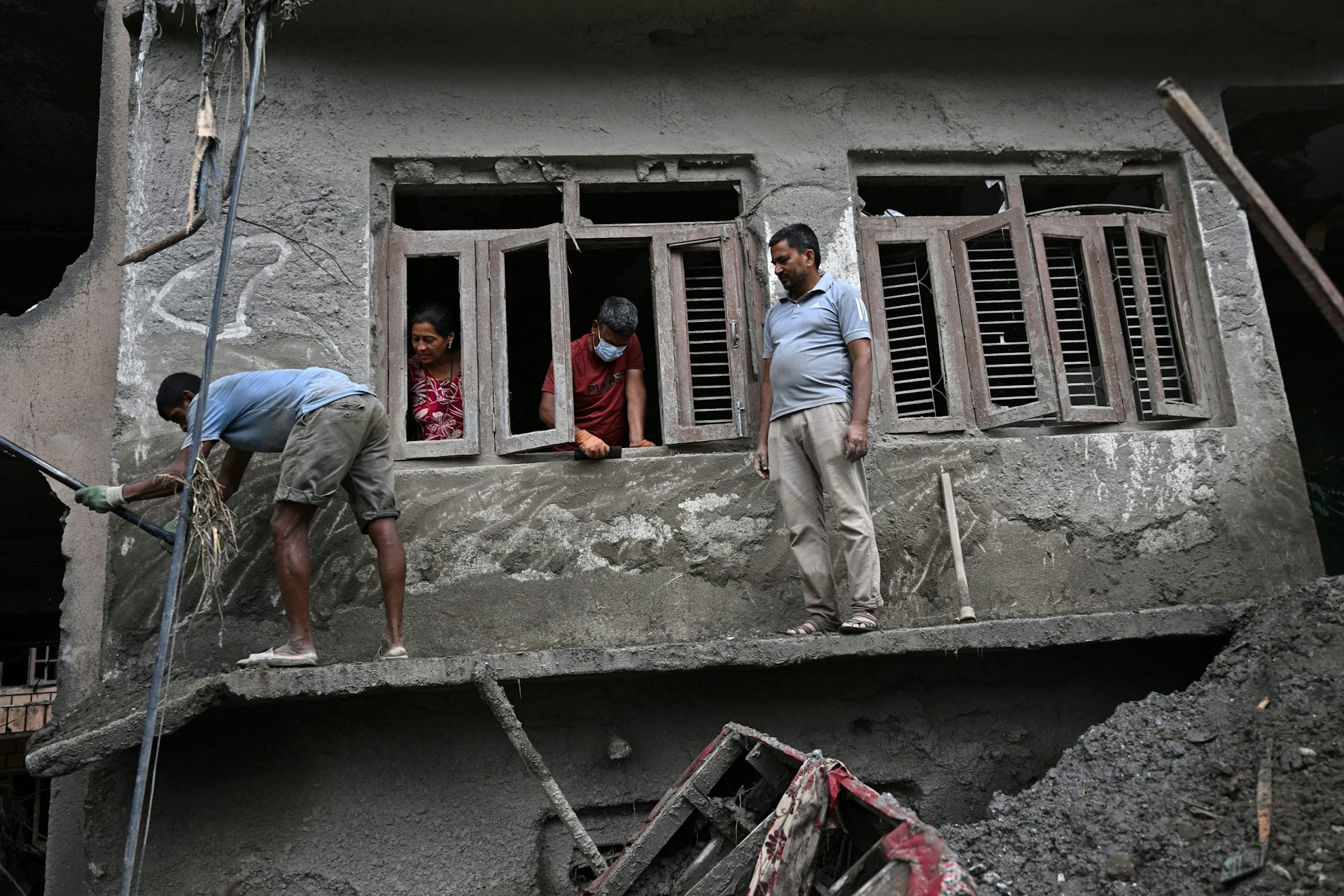
As it faces the enormous task of rebuilding from a deadly flood that tore through communities in the Himalayas, Nepal is seeking compensation from the international Fund for Responding to Loss and Damage – meaning from countries that are major contributors to climate change, which it blames for the disaster.
Nepal Foreign Minister Shisir Khanal said it was not merely a request for aid or charity but a demand for justice and “legal and moral liability.”
“Nepal’s greenhouse gas emissions are virtually negligible. Yet, we are paying the ultimate price for a global crisis we did not create,” Khanal told the Kathmandu Post. “The rapid melting of glaciers and these catastrophic mountain tsunamis are direct consequences of global climate change.”
Nepal’s US$20 million request is small compared to the billions of dollars in damage, but it is an important test of the Loss and Damage Fund’s credibility. So far the fund, created during the U.N. climate conference in 2022 to respond to the impacts of climate change in developing countries, contains a fraction of the money major greenhouse gas emitters pledged to contribute, and it has paid out nothing despite requests from at least 119 nations.
It is scientifically well established that global temperatures are rising and fueling ice melt and more extreme climate and weather conditions around the world.
Increasing greenhouse gas concentrations, largely from burning fossil fuels, have pushed global temperatures so high that sea levels are rising, and shrinking glaciers and thawing permafrost are leaving mountainsides less stable. A September 2026 U.N. Environment Program report determined that it is now inevitable that the planet will warm by at least 1.5 degrees Celsius (2.7 degrees Fahrenheit) compared to temperatures before the Industrial Revolution. Communities will have to adapt to increasing hazards.
The world committed under the Paris climate agreement to try to limit warming to 1.5 C in an attempt to avoid the worst effects of climate change. But it is not on track, and many countries are paying the price.
At least 119 countries have submitted requests for money from the Loss and Damage Fund to help them respond to disasters or adapt to climate change.
About 93% of the requests as of June 2026 involved extreme events such as floods. Over three-quarters included slow-onset events, such as requests for help building the infrastructure, including sea walls, and the capabilities to adapt to sea-level rise.
Together, the requests totaled $2.8 billion – about 10 times the amount of money that had actually reached the fund.
Wealthy countries have so far pledged to give about $820 million to the Loss and Damage Fund, but they have delivered only about a third of that – $250 million to $300 million. The U.S. withdrew its support for the fund in 2025.
The fund’s board, meanwhile, has yet to disburse money for any of the requests. At the most recent board meeting in June 2026, officials considered four requests for funding, but none were approved.
The board has a responsibility to ensure that the money will be used appropriately. But one analysis of comments countries made while negotiating the creation of the fund and decisions of the fund board suggested that the slowness of both the disbursals and the setting up of the fund had been deliberate – a practical evasion of a responsibility agreed to on paper.
The board is scheduled to meet next in December 2026. Eight of the 26 board members formally requested an emergency meeting to respond to the disaster in Nepal quickly. The co-chairs of the board acknowledged the request, but how the board might respond was unclear.
Nepal is asking for about $20 million from the fund. However, the country’s finance minister, Swarnim Wagle, estimated that the country would need US$4 billion to $5 billion to rebuild from the flood damage – nearly a tenth of its national economy.
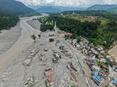
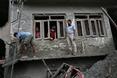
Nepal lost over 10% of its hydropower capacity when a glacier collapsed on Aug. 26, causing the landslide and flood. Mud, water and rock inundated several riverside communities near the border with China, killing more than 1,400 people and leaving thousands more missing. The flood also broke through several hydropower dams in the Bhote Koshi river basin.
In Nepal, many of the risks come from melting glaciers. The Himalayas and neighboring Hindu Kush mountains together contain one of the world’s largest volumes of ice, but studies show they have been losing that ice fast as temperatures rise, with the loss rate doubling since 2000. When glaciers retreat, the result can create glacial lakes prone to outburst floods and unstable slopes prone to landslides like Nepal experienced.
Nepal is receiving aid directly from other countries, but it wants support from the Loss and Damage Fund in part because of what that would represent.
In many ways, the fund is symbolic, and that symbolism is important.
Vulnerable countries fought through years of international climate talks to establish a principle of climate compensation and distinguish it from charity. Even if the amount that the fund disburses to Nepal is relatively small, it would represent compensation for harm caused by climate change.
Countries are often willing to provide humanitarian assistance, but they are resistant to providing funding labeled “loss and damage,” unwilling to assume responsibility – and potentially liability – for climate change.
The decision establishing the fund is very clear that contributions are voluntary and the act of contributing should not be interpreted as an acknowledgment of liability. Climate-vulnerable countries consented to that language in the hope that it would bring in much-needed help.
If the fund acts promptly and pragmatically on that shared responsibility, global efforts to establish liability for climate change through international tribunals and courts could ease.
To be effective, the Loss and Damage Fund needs to be more agile and responsive to the needs of the most climate-vulnerable countries. During negotiations to set up the fund, one negotiator emphasized the need for resources to be accessible within 24 to 48 hours of a climate disaster.
A coalition of experienced adaptation and disaster response organizations has argued that the fund should prioritize effective existing local and national programs and low-cost and low-risk projects. These include community-based resilience and recovery with local volunteers, health centers and cash transfers to flood-affected households.
The Loss and Damage Fund could also use its symbolic and modest financial position to nudge the broader humanitarian, development and climate finance ecosystem toward what’s known as anticipatory action.
Anticipatory action involves moving resources into at-risk places before the disaster hits. It has been proven to speed up the response and recovery.
Emphasizing this approach could also lead to better forecasting, early warnings and planning that takes climate change into account to protect people in vulnerable regions around the world.
This article is republished from The Conversation, a nonprofit, independent news organization bringing you facts and trustworthy analysis to help you make sense of our complex world. It was written by: Tarun Gopalakrishnan, Tufts University
Read more:
Loss and damage: Who is responsible when climate change harms the world’s poorest countries?
When a mountain falls: How ice and rock triggered Nepal’s catastrophic flood – and why climate change is raising the risks
COP27’s ‘loss and damage’ fund for developing countries could be a breakthrough – or another empty climate promise
Tarun Gopalakrishnan does not work for, consult, own shares in or receive funding from any company or organization that would benefit from this article, and has disclosed no relevant affiliations beyond their academic appointment.







Comments