Meet the ‘independent voters’ who will likely decide which party triumphs in the 2026 midterm elections
Published in Political News
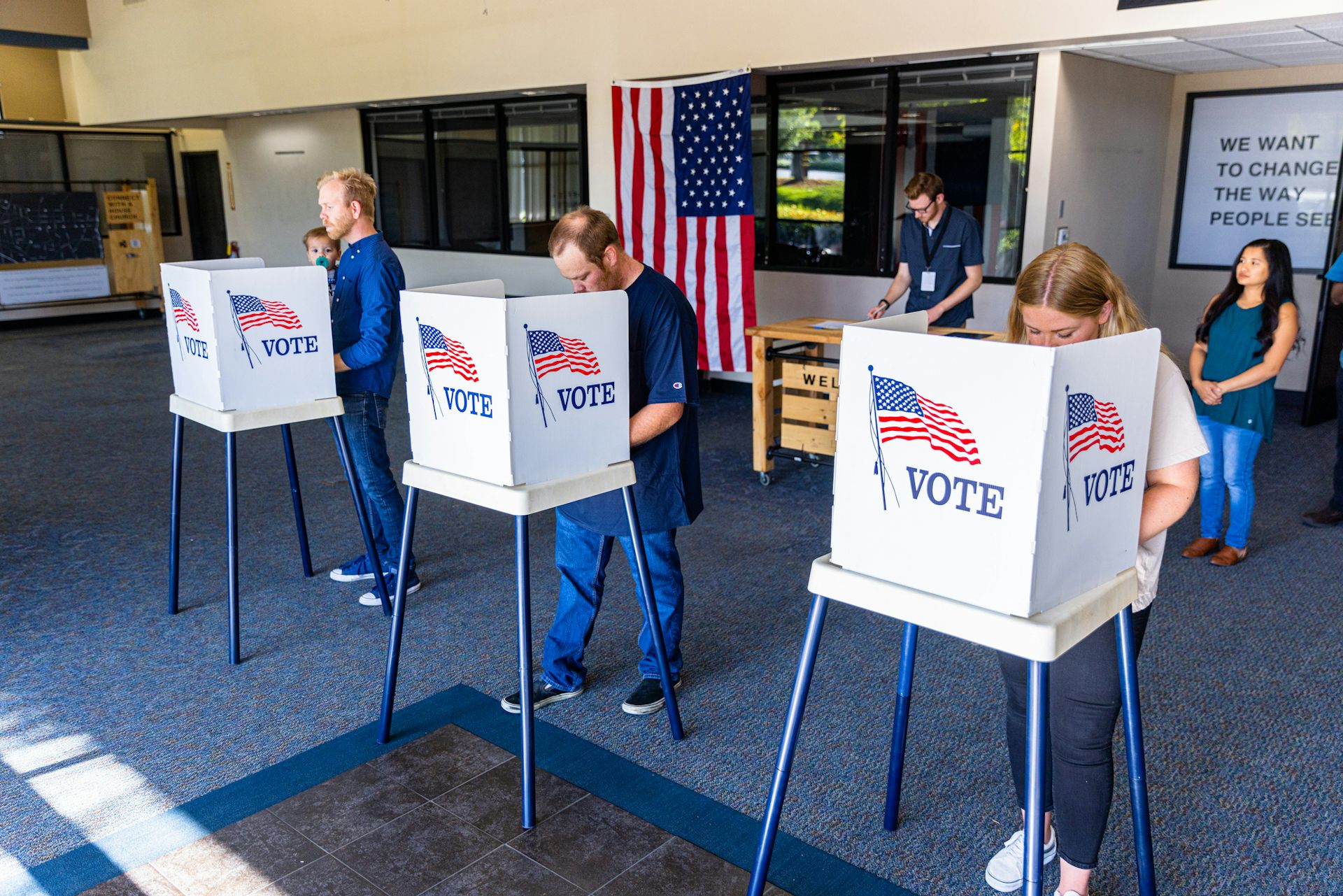
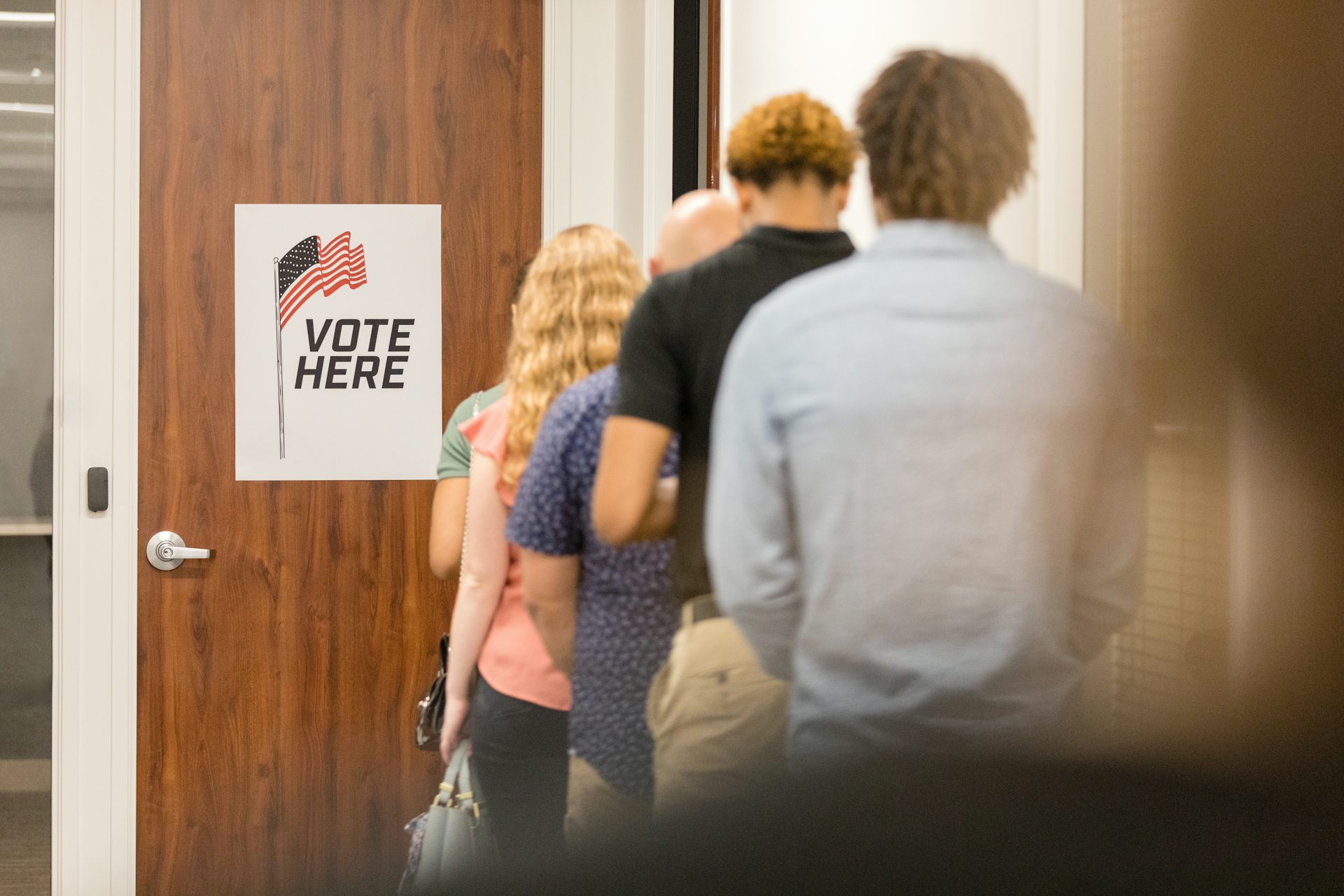


As midterm elections near, Democrats enjoy advantages in national “generic ballot” polling, suggesting they may secure majorities in the House of Representative or Senate, if not both chambers.
But the reality is that partisan control on Capitol Hill will be determined by just a handful of competitive House and Senate contests. The Cook Political Report currently classifies only 22 House campaigns and only seven Senate campaigns as toss-ups, where either the Democrat or the Republican has a genuine chance of winning.
By definition, neither party enjoys a clear advantage in these contests, so both will look to augment their base support with the votes of independents.
As a political science scholar focused on voting and elections, I believe that in the last few weeks before Election Day, those voters will feature prominently in campaign strategies.
Midterm congressional elections serve as a referendum on the president’s performance.
Presidential approval polls and surveys about the economy indicate that independents do not favor President Donald Trump or the Republican Party.
A September 2026 YouGov survey found that only 23% of independents approve of Trump’s job as president, compared with 79% of Republicans and 2% of Democrats. This continues a steady drop in independents’ approval of Trump throughout his second term.
Independents have also soured on Trump’s handling of the economy, with 73% in a September Fox News poll saying that Trump has made the economy worse, a sentiment also expressed by 95% of Democrats and 26% of Republicans.
Independents have also registered their discontent with the war in Iran. Only 22% of independents think the war has been worth fighting, a view expressed by 63% of Republicans and 8% of Democrats. And 83% of independents do not think the Trump administration has a clear plan for ending the war.
Across these policy questions and performance assessments, Democrats and Republicans express clear and consistent support for their party’s positions and candidates. Independents, not surprisingly, stake out something of a middle ground.
But on key predictors of vote choice, especially presidential approval and economic evaluations, the opinions of independents appear to be closer to those of Democrats than to Republicans. Independents’ current pro-Democratic slant is not dramatic, but it could be significant in crucial toss-up contests.
One prominent Republican pollster, David Winston, has sounded an alarm about “unhappy independents” and their threat to continued GOP control of Congress.
In closely fought House and Senate contests, both parties need to make inroads with independent voters, which poses some challenges.
First, independent voters’ turnout in midterms usually lags behind that of party members. So motivating and mobilizing independents will likely require added effort.
It’s worth noting, however, that a recent Emerson College poll showed 70% of independents were very excited about voting in the midterms. That’s on par with the level of enthusiasm expressed by Republicans and Democrats.
A second challenge for candidates is to develop campaign messaging that can connect with independent voters. For almost any candidate running for office, a top priority is to mobilize the party base. This is especially critical in toss-up contests such as the Michigan or Texas Senate races, where the base alone won’t guarantee victory.
But the themes that motivate the party faithful may not sit well with independents, who tend to recoil against partisan rancor.
For instance, Republican voters in Michigan’s 10th Congressional District might applaud Mike Bouchard’s pledge to combat “radical socialism,” but independent voters might find it a bit overdone. By contrast, independent voters do appear to be responsive to the more substantive policy priorities of congressional candidates.
In other words, congressional candidates, especially those in highly competitive races in Texas, Nebraska and Kansas, will need to employ sharply partisan rhetoric to fire up their base while also offering more sober, policy-based appeals to independents.
Striking that balance might be especially difficult for Republican candidates.
Trump clearly wants the midterms to be a referendum on his record, and he wants voters to imagine that he is on the ballot. It’s an effort by the White House to increase turnout among so-called low-propensity Trump voters. These are people who have voted for Trump in presidential elections and continue to support the president, but who often do not vote in midterms.
Putting Trump center stage might well excite this segment of Trump supporters, but it might also remind independents of their deepening reservations about the president.
Democratic congressional candidates will also need to be careful about balancing partisan messages to their base with more measured appeals to independent voters. But Democrats don’t have to share the spotlight with the president, so their balancing acts are not as delicate as those confronting their Republican opponents.
At this point in the campaign, it appears that the Trump administration’s record on issues that matter to Americans is pushing independents – in some cases gently, in some cases more decidedly – in a Democratic direction.
This article is republished from The Conversation, a nonprofit, independent news organization bringing you facts and trustworthy analysis to help you make sense of our complex world. It was written by: Julio Borquez, University of Michigan-Dearborn
Read more:
Armed poll watchers: New Jersey’s 1981 racist voter intimidation campaign is a cautionary tale ahead of 2026 midterms
Primary voters are unrepresentative, inconsistent and very powerful
Why older lawmakers may wait too long to step aside
Julio Borquez does not work for, consult, own shares in or receive funding from any company or organization that would benefit from this article, and has disclosed no relevant affiliations beyond their academic appointment.















































Comments